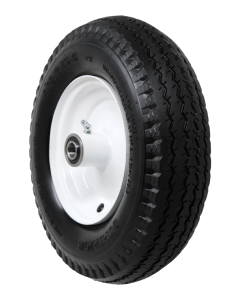
tamthienphu.vn – When you look around, you can see that rubber is everywhere. From the tires on our cars to the soles of our shoes, it is an essential material in our daily lives. But have you ever wondered how rubber is made? The answer might surprise you. The majority of rubber used today is not natural rubber but rather a synthetic version. Synthetic rubber has revolutionized the way we live and has become a crucial component in numerous industries. In this blog article, we will explore the fascinating story of synthetic rubber and its impact on modern society.
The Birth of Synthetic Rubber
The history of synthetic rubber begins in the late 19th century when Charles Goodyear discovered the vulcanization process that allowed natural rubber to hold its shape and withstand extreme temperatures. However, the supply of natural rubber was limited, as it only grew in the Amazon rainforest. This led to a search for an alternative source of rubber, and in 1909 German chemist Fritz Hofmann created the first synthetic rubber by polymerizing isoprene, a compound found in rubber plants.
But it wasn’t until World War II that synthetic rubber came into the spotlight. The need for rubber products for the war effort was immense, and the majority of natural rubber was controlled by Japan. This left the Allied forces with a severe shortage of rubber. In response, the US government launched a massive research project, leading to the development of new types of synthetic rubber. By the end of the war, synthetic rubber production had surpassed natural rubber production, and the industry continued to grow rapidly after the war.
The Advantages of Synthetic Rubber
Synthetic rubber offers numerous advantages over natural rubber, making it a popular choice for manufacturers. Firstly, synthetic rubber is more durable and can withstand extreme temperatures and harsh chemicals better than natural rubber. It is also more resistant to wear, tear, and aging, making it ideal for use in tires, gaskets, and other industrial applications.
In addition to its durability, synthetic rubber can be customized to fit specific needs. By altering the chemical composition, manufacturers can create different types of synthetic rubber with varying properties. For example, styrene-butadiene rubber (SBR) is used for car tires due to its ability to grip the road, while polybutadiene rubber (BR) is used in shoe soles for its high elasticity.
The Impact on Modern Society
The widespread use of synthetic rubber has had a significant impact on modern society. The automotive industry, in particular, has benefited greatly from this invention. The introduction of synthetic rubber in tire production allowed for more affordable, durable, and safer tires, leading to improved performance and fuel efficiency of vehicles. This has had a direct influence on reducing transportation costs and improving the overall economy.
Furthermore, the use of synthetic rubber has made products such as rain boots, waterproof clothing, and medical gloves accessible and affordable for everyone. The versatility and affordability of synthetic rubber have also played a crucial role in the growth of industries such as construction, electronics, and sports equipment. From building materials to electronic parts and even sports gear, synthetic rubber has become an essential material in countless products.
The Future of Synthetic Rubber
As technology continues to advance, so does the development of new types of synthetic rubber. Scientists and researchers are constantly exploring ways to improve the properties of synthetic rubber, making it more environmentally friendly and sustainable. As a result, there has been a shift towards new bio-based rubber materials made from renewable sources such as soybean oil and sugar cane. These materials offer similar properties to synthetic rubber while being more environmentally friendly, making them a promising alternative for the future.
In conclusion, the invention of synthetic rubber has been a game-changer for modern society. From its humble beginnings in the early 20th century to its widespread use in almost every industry today, synthetic rubber has proven to be a versatile, durable, and affordable material that has shaped the way we live. As technology continues to advance, there is no telling what the future holds for this incredible invention.
References:
- https://www.americanchemistry.com/Science-Technology/Innovation/Synthetic-Rubber-and-Tire-Facts
- https://www.britannica.com/technology/synthetic-rubber
- https://www.researchgate.net/publication/272056821_Synthesis_Properties_and_Applications_of_Rubber_Like_Materials